

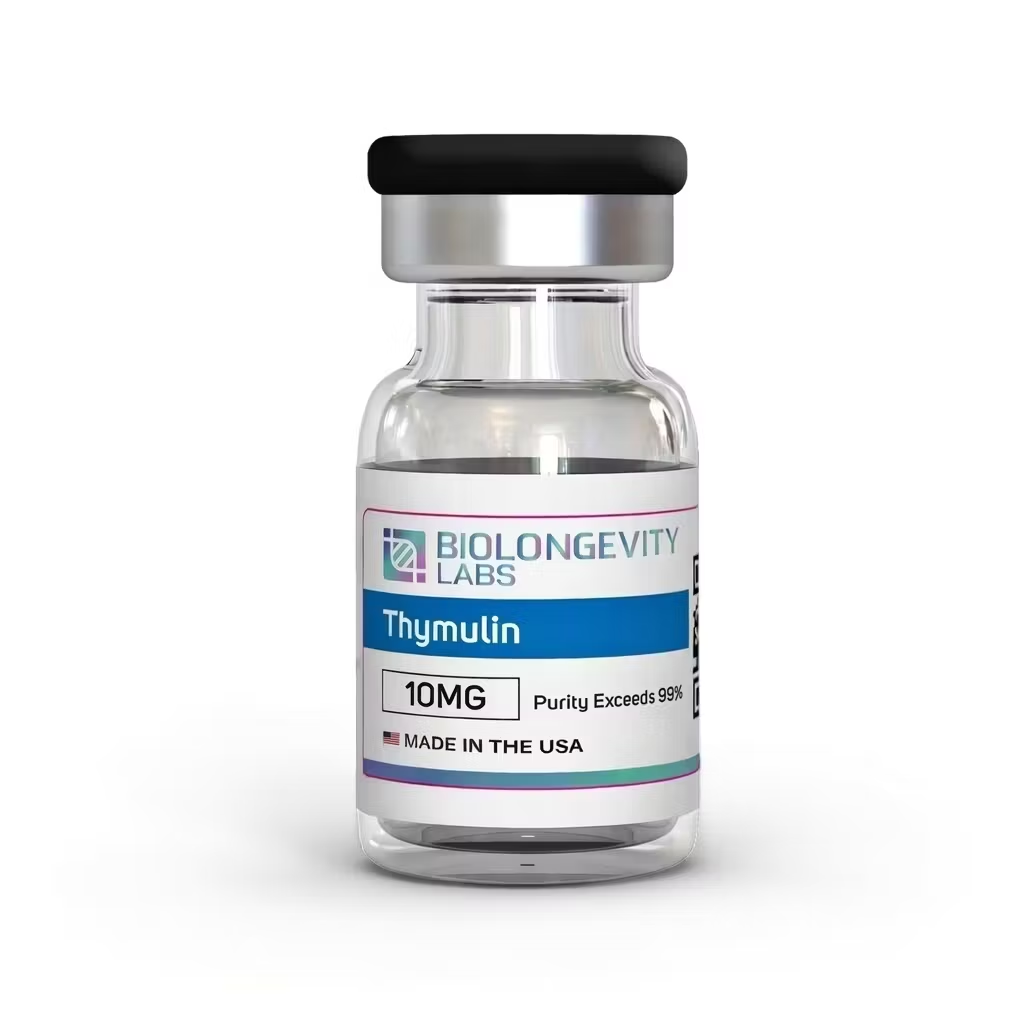
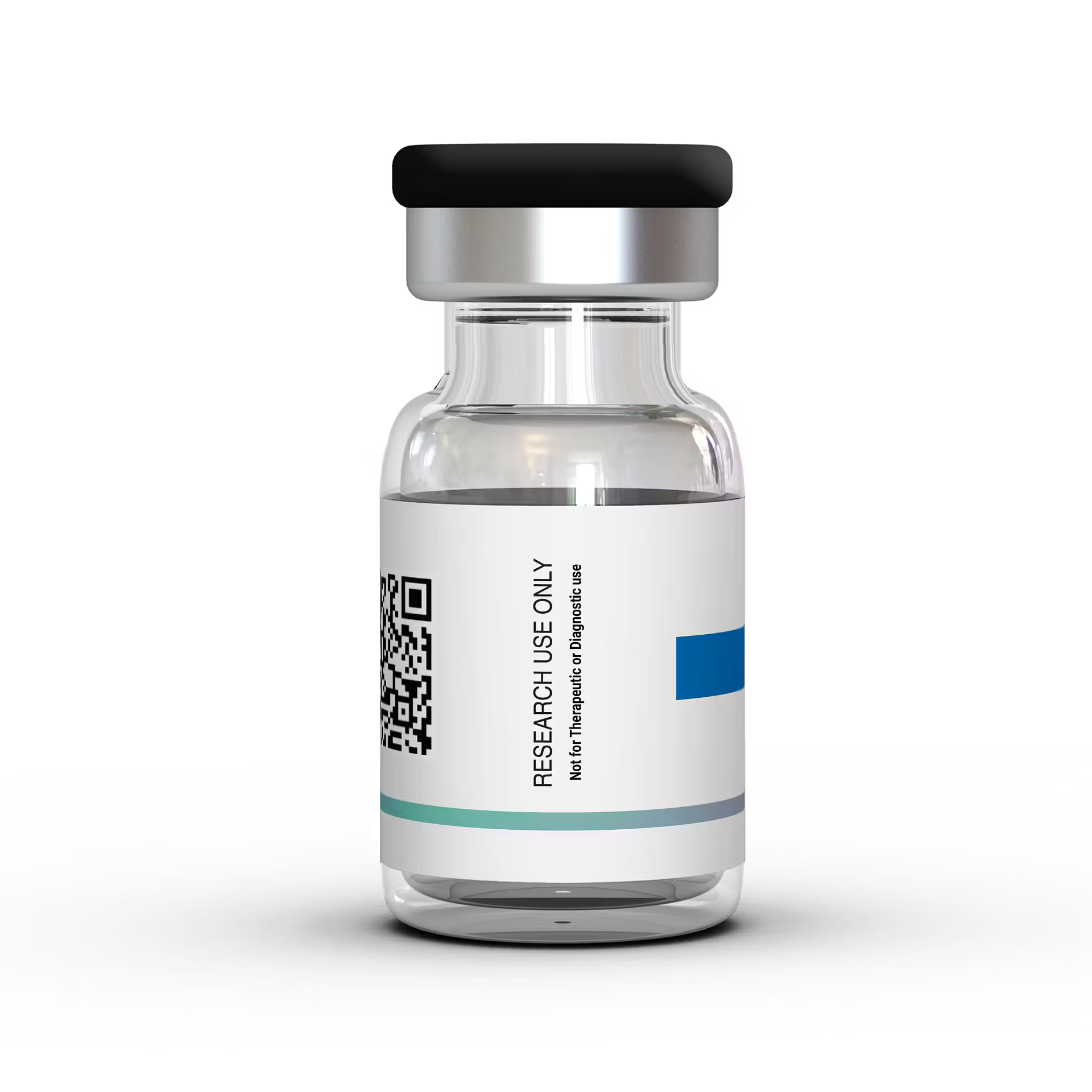
Thymulin Peptide (10mg) — How Much in Georgia
Quick Answer
Looking for where can I buy thymulin peptide in USA? This 10mg vial supports immune and thymic hormone research in vitro. How to buy in California, Texas, or Florida: order from this page with USA fulfillment. How much for thymulin in USA? See live pricing below.
Sales Tax included at checkout
Laboratory Research Chemical • Scroll down for full specifications
Research Wholesale Pricing
Bundle
3+ Units
10% SAVINGS
Professional
10+ Units
25% SAVINGS
Wholesale
25+ Units
40% SAVINGS
Purchase Options
Pay with cryptocurrency and save 10% on the product total. Shipping is not discounted.
Priority Shipping
Fast & Discreet
99% Purity
HPLC Verified
Full Refund
60-Day Promise
Lab Synthesis
GMP Certified
Scientific Validation & Research
Explore the data. Our research compounds are backed by peer-reviewed literature and comprehensive scientific analysis.
Product information
About Thymulin Peptide (10mg) — How Much in Georgia
- Category
- Bioregulator Vials
- Form
- Vial
- Use
- Laboratory research only
Thymulin peptide (10mg) — How to Buy in USA
Looking for where can I buy thymulin peptide in USA? Thymulin is a zinc-dependent nonapeptide produced by thymic epithelial cells, used in immune cell differentiation, T-cell maturation, and neuroendocrine–immune interaction studies. This 10mg lyophilized vial is intended for qualified laboratory research only.
How to buy thymulin in California, Texas, or Florida: order from this page with RUO checkout for nationwide research shipping. How much for thymulin in USA? See live pricing above.
Mechanistic background
Active thymulin requires zinc coordination; apothymulin forms may differ in bioactivity in cell assays. Design experiments with appropriate cofactors and controls. Distinguish thymulin (defined sequence) from thymalin (multi-component extracts) in your protocol narrative.
Literature spans thymic involution models, T-cell subset profiling, and cytokine co-regulation experiments. Align concentrations to pilot titrations rather than unverified non-research dosing tables.
COA & identity
Batch-specific HPLC and mass spectrometry documentation accompanies release. Match batch IDs to vial labels on receipt. How to read a COA.
Handling
Refrigerate lyophilized material; reconstitute per institutional SOP. Aliquot after first thaw. For laboratory research use only (RUO)—not for human or veterinary consumption, diagnosis, or treatment.
Related research
Certificate of analysis (COA) & quality verification
Every release should be tied to a batch-specific certificate of analysis—not a generic marketing PDF. BioLongevity Labs targets ≥99% purity by HPLC where applicable, with mass spectrometry confirmation of sequence or molecular weight on lyophilized peptides.
On receipt, verify that the batch number on the COA matches the vial or container label, archive the document in your ELN/LIMS, and reject material that lacks identity data. Read our COA interpretation guide for red flags and institutional procurement checklists.
Third-party or qualified in-house testing should be cited in publication methods. Do not assume prior batches apply to new experiments.
Lyophilized vial storage & reconstitution
Lyophilized research peptides should be stored refrigerated (2–8°C) before reconstitution. Use bacteriostatic water or institution-approved diluent; gentle swirling only—no vigorous shaking that can denature sensitive sequences.
Aliquot after reconstitution to limit freeze-thaw cycles. Calculate volumes with our peptide calculator and follow the reconstitution guide for general handling principles.
Dispose of lab waste per your institutional chemical hygiene plan. For laboratory research use only (RUO)—not for human or veterinary consumption, diagnosis, or treatment.
Study design & methodology recommendations
Structure experiments with pre-registered endpoints, power analysis, and batch-randomized treatment arms. Include vehicle controls, positive controls where available, and blinded readouts when feasible. Document incubator conditions, passage number, serum lot, and media composition—environmental variables often dominate peptide response magnitude in cell systems.
For multi-dose studies, prepare a master stock at the highest planned concentration, then serially dilute with the same solvent lot to reduce preparation error. Log vial IDs, reconstitution timestamps, and storage duration on the bench sheet. When combining peptides, add combination arms only if specified a priori; otherwise confounding undermines interpretability.
Replicate across biological replicates (distinct wells, animals, or tissue isolations) rather than technical duplicates alone. Report effect sizes with confidence intervals, not only p-values. If results are null, publish or archive them to reduce literature bias in peptide research.
Documentation for publications & audits
Methods sections should name the commercial source (BioLongevity Labs), catalog identifier, lot/batch number, stated purity, analytical methods cited on the COA, solvent, and storage between use. Link internal ELN entries to the exact PDF COA received with the shipment.
During institutional audits, auditors expect traceability from purchase order → receiving record → bench use → disposal. Maintain temperature logs for refrigerators storing lyophilized material. Flag any vial with compromised stopper or label illegibility before use.
Do not cite consumer forum dosing as rationale for laboratory concentrations. Use peer-reviewed primary literature or pilot titrations in your model system.
Comparing vendors & material qualification
When qualifying a new supplier, run side-by-side identity checks (HPLC/MS), endotoxin screening if required by your facility, and a minimal bioassay relevant to your lab. Reject material with template COAs lacking batch numbers or chromatogram traces.
BioLongevity Labs competes on documentation transparency, USA-oriented fulfillment, and a broad catalog spanning repair peptides, bioregulators, and specialty research lines. See where to buy research peptides (USA) for procurement criteria and research FAQ for ordering policies.
Bioregulator research primer
Bioregulator peptides are short sequences studied for organ-specific gene-expression effects in cell and tissue models—distinct from broad-spectrum repair peptides. Khavinson-class compounds appear across vascular, immune, metabolic, and CNS research literature with model-specific endpoints.
Capsule lines (A-series) reflect tissue-derived peptide complexes used in aging and organ-support research framing; lyophilized vials suit precise mass-based dosing in culture. Choose formulation based on how your protocol delivers peptide to the biological system under study.
Compliance & safety in the lab
Handle research chemicals with appropriate PPE, engineering controls, and waste disposal per your chemical hygiene plan. Train staff on lyophilized peptide handling, sharps, and spill response. For laboratory research use only (RUO)—not for human or veterinary consumption, diagnosis, or treatment.
BioLongevity Labs does not provide medical, legal, or dosing advice. Buyers represent that use is solely for research.
How to buy this research SKU in USA
Looking for where can I buy research peptides in USA? BioLongevity Labs fulfills orders from USA facilities with documented RUO acceptance at checkout—including California, Texas, Florida, New York, Illinois, and Arizona. How to buy: select your option on this page and complete checkout. How much for this SKU in USA? Live pricing is listed above and updates with batch availability.
Business-day cutoffs apply for same-day shipping on qualifying orders—see shipping and payments for carrier and cutoff details. Qualified laboratories, universities, and CROs may contact support for batch traceability questions. Wholesale inquiries route through wholesale. For peptide selection by research goal, use the protocol finder.
Returns on opened research material may be restricted to preserve chain-of-custody—review refund policy before ordering.
Related resources: research peptide catalog, how to read a peptide COA, peptide reconstitution guide, bioregulator peptides, what is a bioregulator, thymulin research overview.
Research use only
This material is for laboratory research by qualified professionals. It is not for human consumption, diagnosis, or therapeutic use.
Frequently asked questions
Common questions about this research compound and ordering from BioLongevity Labs.
- Where can I buy thymulin peptide in the USA?
- Order from this BioLongevity Labs product page for nationwide research fulfillment. All compounds are for laboratory research use only (RUO), not for human or veterinary consumption.
- How to buy thymulin in Texas, California, or New York?
- Select the vial, complete RUO checkout, and we ship to research buyers across U.S. states including Texas, California, and New York.
- How much for thymulin peptide in USA?
- Current pricing is shown on this page and may update with batch availability.
- What research applications use thymulin peptide?
- Literature focuses on thymic hormone pathways, T-cell differentiation models, and immune senescence assays in controlled cell cultures. All compounds are for laboratory research use only (RUO), not for human or veterinary consumption.
Verified Research Feedback
Clinical observations and feedback from certified researchers across our global network.