

Research Guide:
An Online Reference for Researchers
Research peptides are key to advancing science in biochemistry, cell biology and molecular research. This knowledge center provides laboratory scientists with the technical information and practical guidance to select, handle and work with research-grade peptides for in vitro and ex vivo applications.

USA-made research peptides are for laboratory use only and not for human consumption.
Peptides in Research
Peptides are short chains of amino acids that play crucial roles in biological processes, making them invaluable tools for scientific research. These versatile molecules serve as hormones, neurotransmitters, signaling compounds, and regulatory factors in living systems.
For laboratory researchers, peptides offer unique advantages in studying cellular mechanisms, protein interactions, and biochemical pathways through controlled in vitro and ex vivo experimental systems.
Today's research labs rely on high-quality, well-characterized peptides to conduct reproducible experiments and generate meaningful data in controlled environments.
Why Quality Matters in Peptide Research
Your research depends heavily on the quality and consistency of your peptides. Purity, stability and proper storage can make a big difference in your outcomes. Understanding these key factors ensures reliable results and supports the integrity of your scientific work.
Modern peptide synthesis and purification techniques allow for the production of research grade peptides with defined specifications so you can work with confidence in your experimental design.

Essential Peptide Research Guides: Choose Your Focus
Browse our in-depth peptide guides for researchers to elevate your laboratory practices.
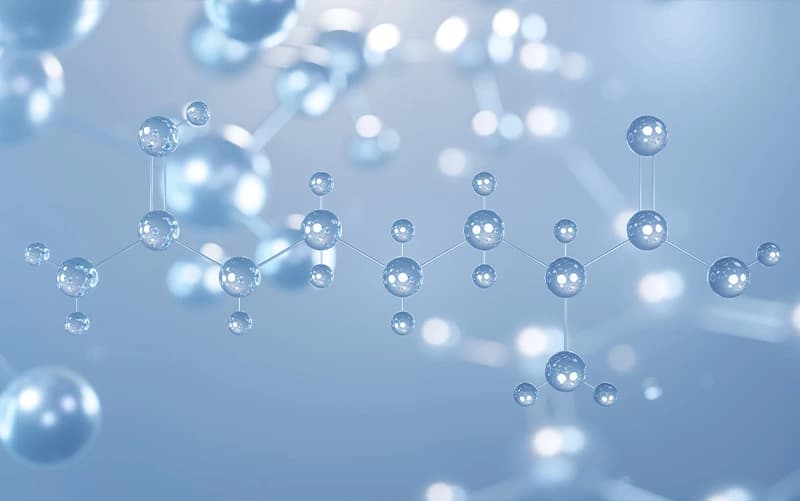
Peptides and Amino Acids: A Beginner's Guide
Start your exploration with the fundamentals of peptide science. This introduction explores the 20 standard amino acids, how peptide bonds form complex chains, and key differences between peptides and proteins.

Peptide Synthesis: How Peptides Are Made
Discover how modern peptide synthesis has evolved from niche laboratory techniques to essential biomedical research tools. This comprehensive guide explores major synthesis methods including solid-phase and liquid-phase.
Introduction to Peptide Purification Techniques
Master essential peptide purification techniques to ensure clean, reliable research results. This guide covers reversed-phase chromatography, ion-exchange methods, size exclusion, and advanced techniques.

Peptide Quality Control: Methods & Standards
Ensure research success with comprehensive peptide quality control methods and standards. This guide covers essential analytical techniques including HPLC, mass spectrometry, and NMR.

The Basics of Peptide Modification
Discover essential peptide modification techniques that enhance stability, solubility, and functionality for research applications. This guide covers post-translational modifications and chemical enhancements.

Peptide Stability: Guidelines for Handling
Protect your research investment with proven peptide stability guidelines and handling protocols. This comprehensive guide covers storage conditions, solubilization strategies, and essential SOPs.
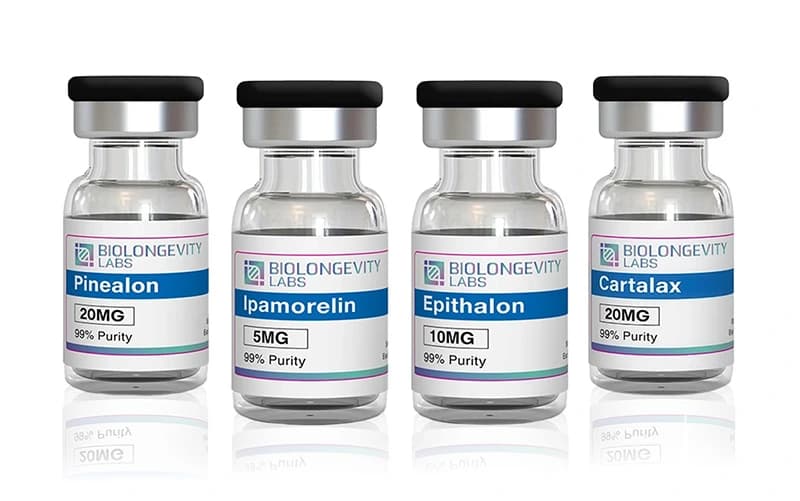
Peptide Nomenclature: Reference for Naming
Navigate essential peptide naming conventions with confidence in this reference guide to IUPAC-IUBMB nomenclature standards. Learn amino acid codes, proper sequence notation, and modification symbols.
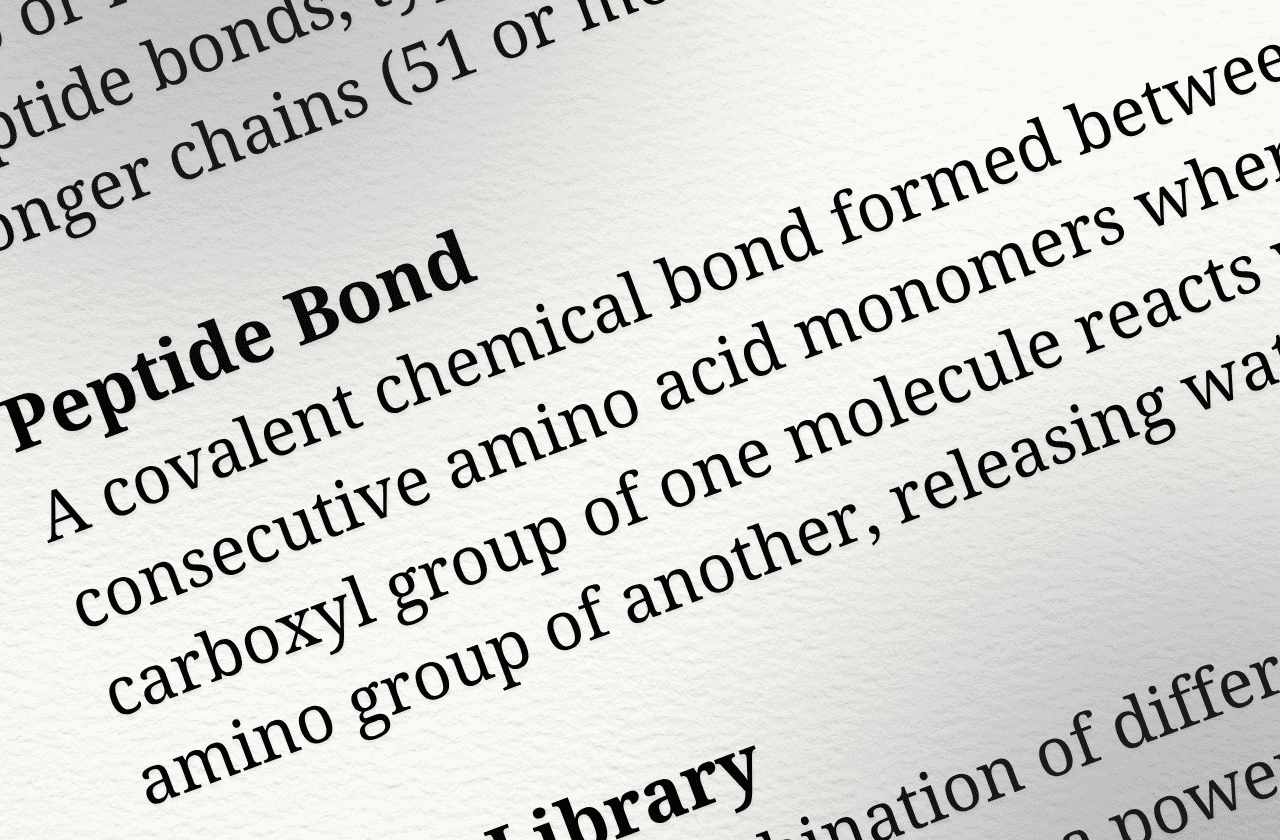
Peptide Glossary: Definitions and Terminology
Master the language of peptide science with our comprehensive glossary of terms and definitions. An invaluable reference for researchers at all levels working with peptides.
Tools and Resources for Peptide Researchers
Accurately reconstitute lyophilized peptides for research applications with this easy-to-use dilution calculator. Calculate concentrations and avoid common mistakes.

Why Some Vials Aren't Vacuum Sealed?
Vacuum sealing isn't required for peptide quality or research effectiveness. Learn why some research-grade peptide vials lack vacuum seals.